Questions of law that read like questions of law
How to frame the questions in an SLP so that the bench sees the point of law in one line.

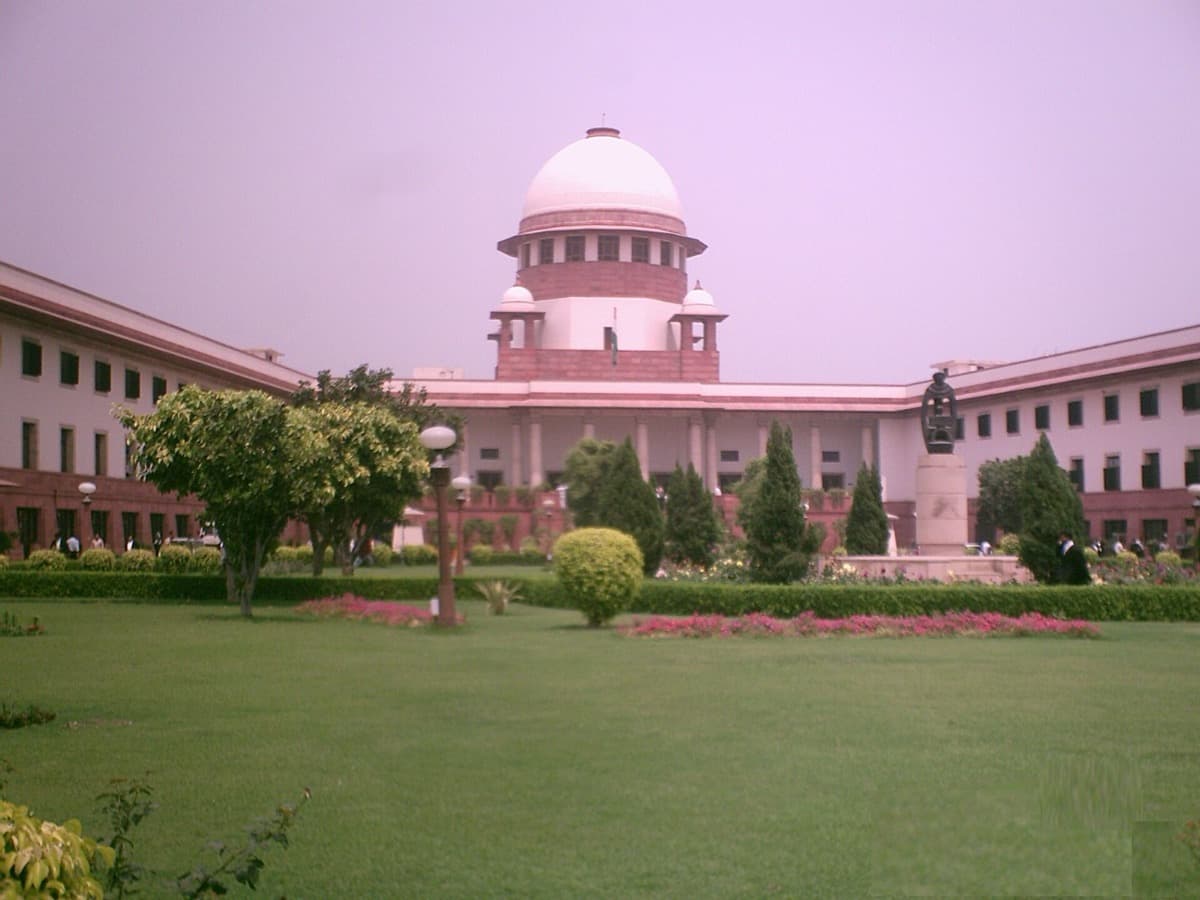
Leave under Article 136 is discretionary. The Court does not hear an SLP as a second appeal on the facts, so the questions of law are the part of the petition that tells the bench why the case deserves its time.
Three tests for a question
- It can be answered yes or no, or with a short rule. If it begins with Whether the High Court erred, it is a complaint, not a question.
- It names the provision or principle. Whether, on the true construction of Section 25 of the Act, the revision lay to the High Court is a question. Whether the High Court was right is not.
- It would matter to someone who is not your client. A point that decides only this dispute is a ground, not a question of law.
Before and after
| WRITTEN AS A GRIEVANCE | WRITTEN AS A QUESTION |
|---|---|
| Whether the High Court erred in dismissing the revision without considering the evidence. | Whether a revisional court may interfere with a finding of default that was reached by ignoring the evidence of payment on record. |
| Whether the order is perverse. | Whether a finding recorded without reference to material evidence can be sustained in the exercise of supervisory jurisdiction. |
Keep the list short
Three or four questions that can be argued are worth more than twelve that cannot. Put the best first. Order them so that the answer to the first changes how the rest are read.
Mind the effect of the leave stage as well. A dismissal of an SLP in limine does not by itself amount to a merger of the High Court order in the Supreme Court order (Kunhayammed v. State of Kerala, 2000), so the questions you frame at this stage matter both for leave and for what remains open afterwards.
This is practice guidance for advocates, not legal advice. Rules and notices change: check the current rule or notice of the court before you file.