Transfer petitions before the Supreme Court
When the Supreme Court can transfer a civil case, what the petition has to show, and the seven parts that carry it, from the memo of parties to the affidavit.

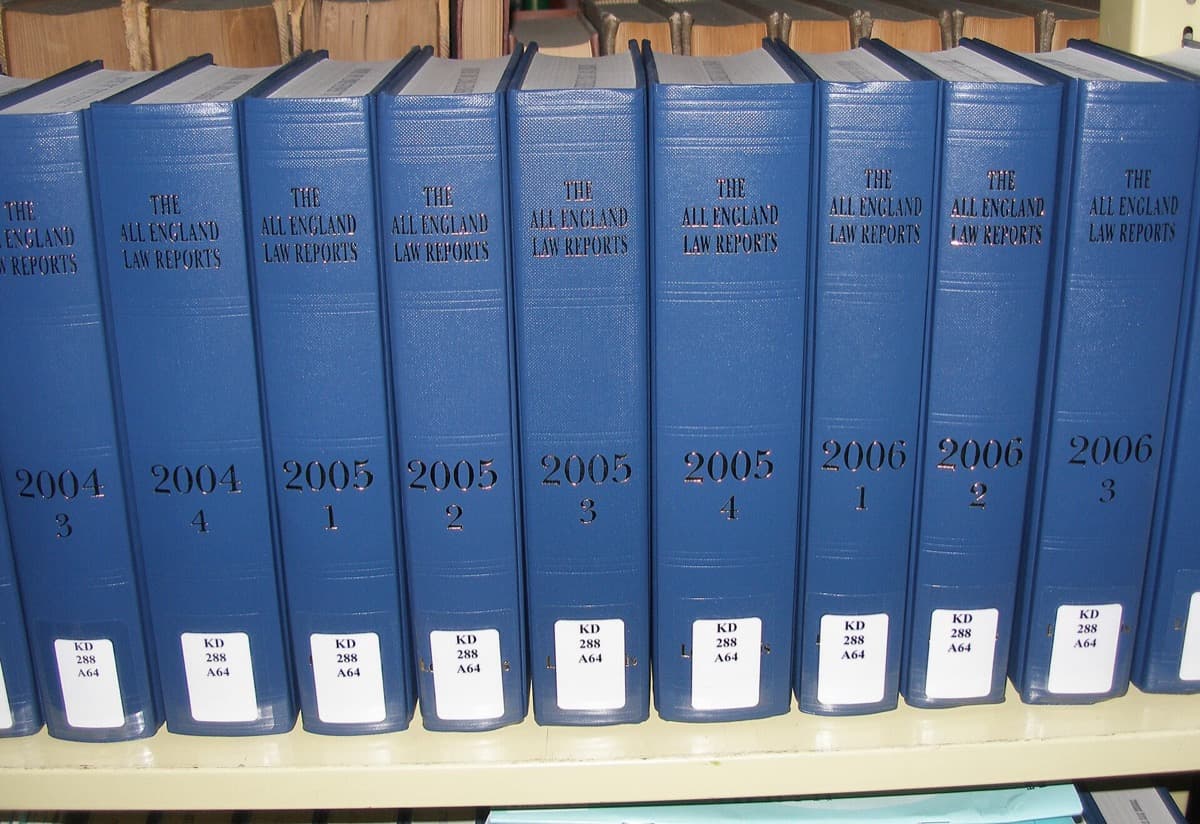
The source of the power
A civil transfer petition is ordinarily filed under Section 25 of the Code of Civil Procedure, read with Order XLI of the Supreme Court Rules, 2013. Article 139A of the Constitution is also cited: clause (2) for transfer of cases between High Courts, and clause (1) for cases that raise the same substantial question of law (that route follows Order XL). Check which provision fits before you draft.
The test the Court applies
Section 25 asks whether the transfer is expedient for the ends of justice. The Court has held that the requirement of justice is the paramount consideration, and not the convenience of a party alone (Dr. Subramanian Swamy v. Ramakrishna Hegde, 1990). A petition filed to delay or harass can be dismissed with costs.
The seven parts
| # | PART | WHAT GOES IN IT |
|---|---|---|
| 1 | Memo of parties | Every party in the case sought to be transferred, with full particulars. |
| 2 | Synopsis & list of dates | Where the case is pending, what has happened, and what is listed next. |
| 3 | Petition | The facts, the court where the matter is pending, the court to which transfer is sought, and the other proceedings between the parties. |
| 4 | Grounds for transfer | What makes the transfer expedient for the ends of justice, in specific terms. |
| 5 | Prayer | Transfer of the named case to the named court, with any interim stay of the proceedings. |
| 6 | Affidavit | Section 25 requires the application to be supported by an affidavit. It carries the grounds, not just the facts. |
| 7 | Annexures & vakalatnama | The pleadings and orders in the case, numbered and indexed. |
Writing the grounds
- State what has happened, with dates and the record to prove it. Courts decide on what is shown.
- Separate inconvenience (distance, cost, witnesses) from a real apprehension that justice will not be done. Say which one you rely on.
- If cases between the same parties are pending in different places, list them and the stage of each.
Check before you file
- Section 25 (different states) or Section 24 (same state) chosen correctly
- Court of origin and court of transfer named exactly
- Affidavit carries the grounds
- All connected proceedings listed with their stage
- Annexures indexed and paginated
This is practice guidance for advocates, not legal advice. Rules and notices change: check the current rule or notice of the court before you file.