← RESOURCES·15 Oct 2026 · 3 min read
PRACTICE NOTEVERIFICATION
Why the verification is the last thing to rewrite
The wording is standard, but what it says depends on every paragraph before it, so it should be checked last.
Adv. Rishiraj Mishra
Allahabad High Court, Lucknow Bench
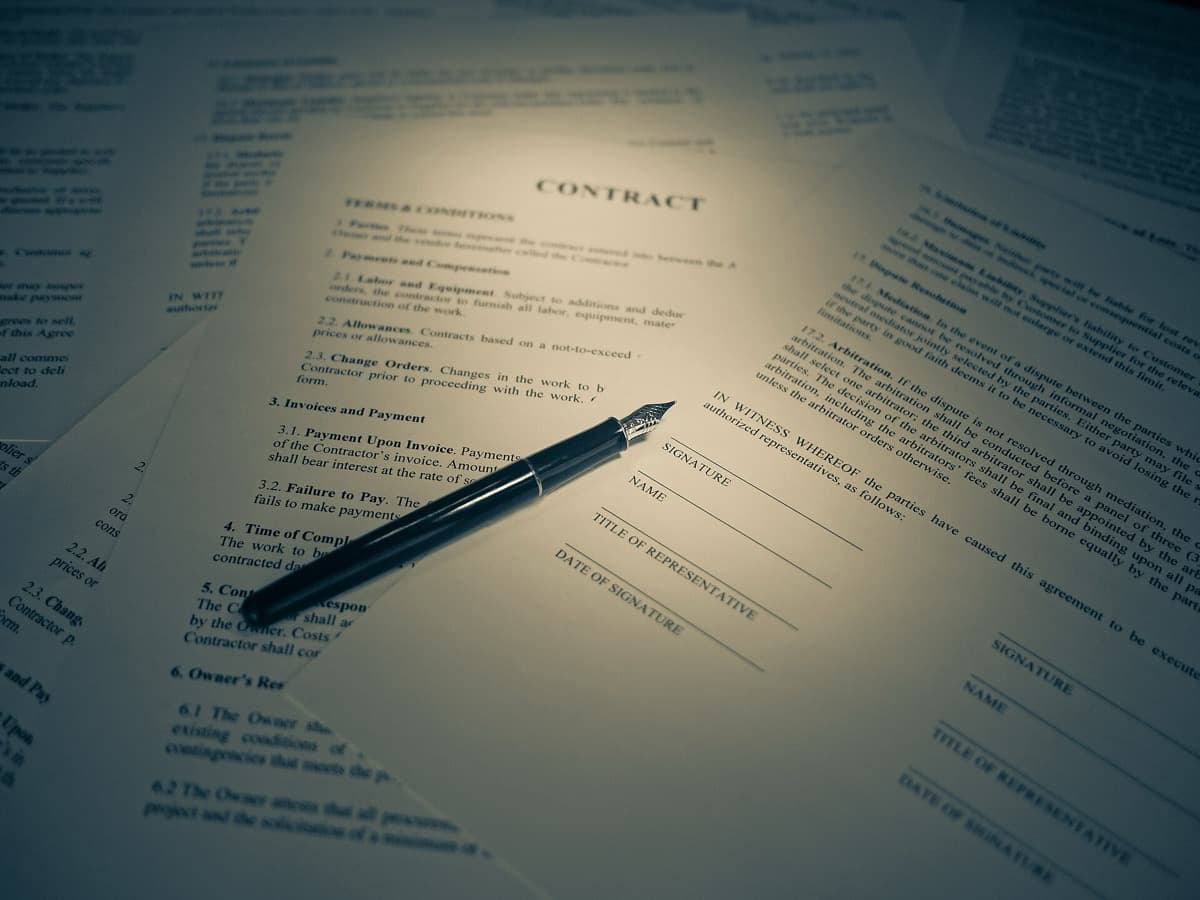
A note covers one point of practice, signed by the person who wrote it.
A verification states which paragraphs of a pleading the deponent knows to be true from personal knowledge and which they believe to be true on information received. The rule behind it is Order VI, Rule 15 of the Code of Civil Procedure, which also asks for an affidavit in support of the verification.
Why it goes last
- The paragraph numbers in the verification must match the final numbering. A late edit that adds or removes a paragraph breaks them silently.
- A statement that a paragraph is true to knowledge is a statement the deponent must be able to defend. Re-read each paragraph before assigning it.
- If the pleading changes after the verification is signed, the verification is stale.
A short routine
- Finish the pleading and fix the numbering.
- List the paragraphs about the deponent’s own acts and knowledge, and mark them as knowledge.
- List the paragraphs about records, the other side and legal submissions, and mark them as information or advice.
- Write the verification from those two lists, with the place and date.
This is practice guidance for advocates, not legal advice. Rules and notices change: check the current rule or notice of the court before you file.